
Defend the Homeland Act: Results Over Parties
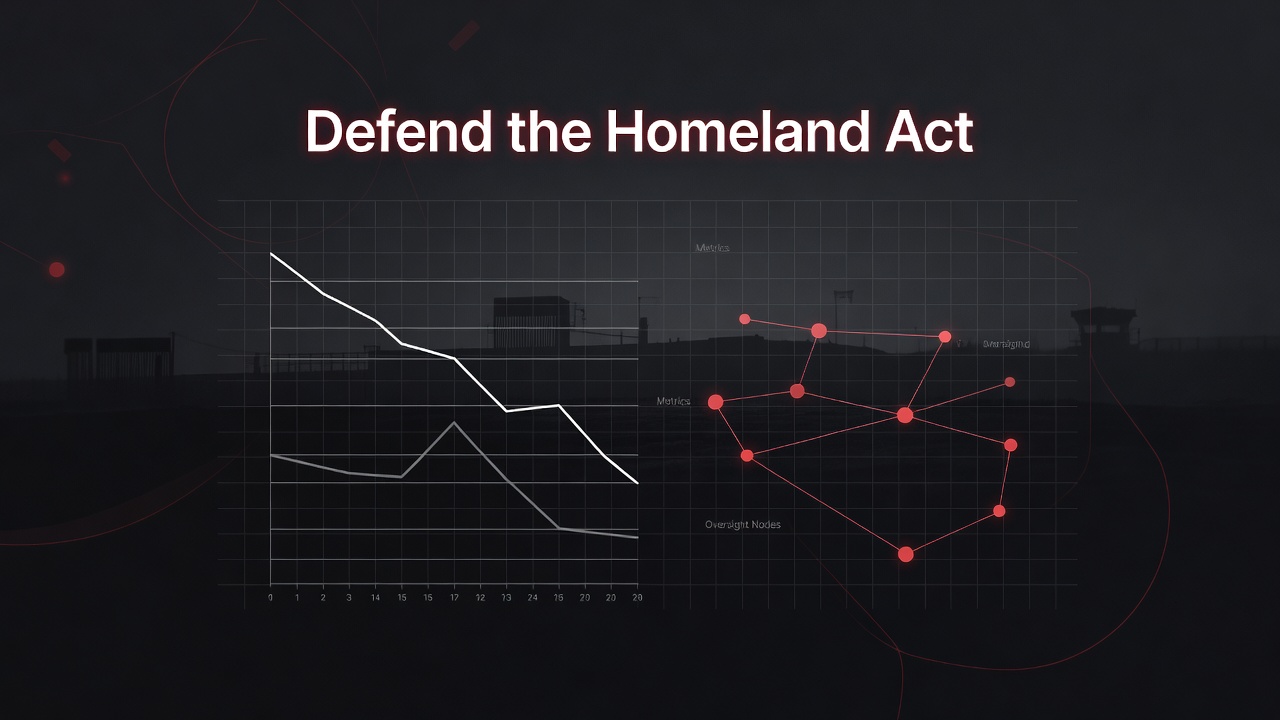
Picture this: a southern border once described as an impenetrable challenge, suddenly showing dramatic order under targeted enforcement. Crossings plummet, expulsions rise, and chaos recedes—not through miracles, but through clear rules applied with consistency. For decades, Americans were told that securing the border was impossible. Too complicated. Too expensive. Too politically divisive. Too big to fix.
But recent enforcement outcomes shatter that narrative. When the system receives clear directives, unwavering execution, and ironclad accountability, border security delivers. The question is no longer whether border security can work. The question now burns brighter: why does Washington insist on treating these proven solutions as fleeting political episodes rather than enshrining them as enduring law?
Something Does Not Add Up
Uncontrolled migration isn't some distant policy footnote—it's a grinding reality etching itself into the lives of everyday Americans. Taxpayers foot bills that balloon without end. Law enforcement strains under unfamiliar pressures. Hospitals overflow, schools scramble for resources, shelters buckle, and legal immigrants who played by the rules watch their pathways erode. Families in quiet communities grapple with safety eroded by disorder they never invited.
And the migrants? Many flee peril only to tumble into cartel webs, treacherous treks, human trafficking shadows, and limbo that drags on for years. This system breeds disorder across the board: backlogs that mock justice, processes ripe for abuse, asylum overwhelmed by fraud masking true need. Local communities shoulder invisible costs, while Washington debates in echoes. That's not oversight. That's failure engineered into the framework—a policy analysis revealing cracks too wide to ignore.
What the Defend the Homeland Act Does
Enter the Defend the Homeland Act, a blueprint rooted in pragmatism: if border enforcement yields results, etch it into statute. If fraud patterns emerge, seal the gaps. If costs mount, audit them relentlessly. If removals prove fiscally wiser over time, quantify the gains. If courts choke on volume, impose structure and clarity. This isn't rhetoric dressed as reform; it's a rigorous policy analysis transforming data-driven wins into border enforcement permanence.
The Act stands on five interlocking pillars of immigration reform, each honed for real-world impact:
- Codify proven border enforcement into law: Lock in strategies that have slashed illegal crossings, ensuring border security isn't a policy whim but a statutory constant.
- Modernize asylum to reduce fraud and speed legitimate claims: Streamline reviews with tech and standards, separating genuine refugees from opportunists, restoring trust in the process.
- Require crime and immigration status tracking for transparency: Mandate nationwide data linking, exposing patterns and holding agencies accountable to communities.
- Offset removal costs with long-term taxpayer savings: Demonstrate how swift action curtails endless welfare drains, delivering fiscal accountability through hard numbers.
- Address the legacy population through E-Verify, prioritization, and voluntary departure pathways: Tackle the backlog humanely—universal work verification, case triage, and incentives for self-deportation—clearing paths for legal immigration.
Together, these measures dismantle chaos, safeguard border security, and forge an immigration system that rewards integrity over exploitation.
Results Over Parties
Border security debates often dissolve into red-versus-blue trench warfare, a spectacle that has yielded nothing but stalemate. That partisan lens has fractured solutions for generations. The sharper inquiry cuts through: what policies deliver safety, order, fiscal responsibility, and humane treatment?
Secure borders shield American families from spillover risks. They honor legal immigrants' sacrifices. They starve cartels of their chaos-fueled profits. They elevate credible asylum cases above the noise. They grant localities the stability to plan, not react. This isn't ideology—it's the essence of functional governance, a cornerstone of effective border enforcement.
Why the Broad Middle Can Unite
Step back from the extremes, and a vast American middle emerges—not clamoring for open chaos, but for bedrock principles. Safety in neighborhoods. Fairness for rule-followers. Meaning restored to legal immigration. Tax dollars audited and justified. Leaders accountable, not evasive.
The Defend the Homeland Act rallies this coalition around imperatives that transcend teams: protect the homeland, uphold the law, tally the true costs, end fraud's incentives, curb exploitation's grip, reclaim order. Decades of bipartisan inaction demand a pivot—from proof to permanence.
The Accountability Test
At Y Institute, our mission pulses with one relentless query: why? Why do effective enforcement surges fade into political amnesia? Why cloak taxpayer burdens in opacity? Why tolerate patchy data silos? Why burden communities without a blueprint? Why let disorder undermine legal pathways?
The Defend the Homeland Act confronts these with transparency and teeth—a Y Institute policy analysis swapping spectacle for substance, demanding accountability in every ledger and law.
What Comes Next
Durable reform ignites from the ground up. Dive into the Defend the Homeland Act proposal. Amplify this case for border security that lasts. Grill your representatives: do you back results, transparency, enforceable immigration reform?
Join the fray—forge local momentum for safety, order, accountability. Y Institute probes the why, champions what works. The border awaits not slogans, but solutions that endure.